
Morpheus8
A fresh perspective
on your skin.
Tell us what you notice and what you would like to discuss. Explore radiofrequency microneedling with time to understand the proposed treatment area, risks, alternatives and aftercare.
Start with a conversation.
Start with you.
Tell us what matters to you. Your health history, preferences and questions are the starting point for your consultation.
Consider the details.
Your clinician will explain the proposed approach, its evidence, risks and alternatives. Ask about the costs and what is included before deciding.
Plan the next step.
Discuss any preparation, aftercare and follow-up your plan may involve. There is time to ask questions and consider your options.
Treatment considerations.
Possible side effects include:
Minor redness, swelling, or pinpoint bleeding
Temporary scabbing or mild skin sensitivity
Possible bruising or discomfort in the treated areas
In rare cases, patients may experience side effects like hyperpigmentation or scarring, underscoring the importance of choosing a qualified, experienced provider. Always consult a licensed dermatologist or board-certified plastic surgeon with experience in RF microneedling treatments to minimize risks.
The FDA has received reports of serious complications with certain uses of RF microneedling, including burns, scarring, fat loss, disfigurement and nerve damage. Some injuries have required medical treatment or surgery. Discuss these risks with your clinician. Read the FDA safety communication.
Morpheus8V uses radiofrequency energy. Energy-based devices are not FDA-approved for vaginal rejuvenation; discuss the evidence, risks, and alternatives with your clinician.
Your questions, considered.
What should I consider before Morpheus8?
Discuss the concern you want to address, the proposed treatment area and the evidence for that use. Your clinician will explain the expected course, risks and alternatives; a particular result cannot be promised.
Who Is a Good Candidate for Morpheus8?
Suitability depends on your skin, health history, medications and proposed treatment area. A clinician should assess these before recommending a plan.
Does Morpheus8 Hurt?
Discomfort varies. Ask about pain-management options, expected symptoms and when to seek medical attention.
How Soon Will You See Results from Morpheus8?
Response and timing vary. Ask your clinician what expectations are reasonable for the proposed treatment and how response will be reviewed.
How Many Morpheus8 Sessions Are Recommended?
The number and spacing of visits depend on your assessment and the proposed plan. Ask about the rationale, costs and alternatives before committing to a series.
What Are the Potential Side Effects?
Possible side effects include:
Minor redness, swelling, or pinpoint bleeding
Temporary scabbing or mild skin sensitivity
Possible bruising or discomfort in the treated areas
In rare cases, patients may experience side effects like hyperpigmentation or scarring, underscoring the importance of choosing a qualified, experienced provider. Always consult a licensed dermatologist or board-certified plastic surgeon with experience in RF microneedling treatments to minimize risks.
The FDA has received reports of serious complications with certain uses of RF microneedling, including burns, scarring, fat loss, disfigurement and nerve damage. Some injuries have required medical treatment or surgery. Discuss these risks with your clinician. Read the FDA safety communication.
Morpheus8 vs. Ultherapy
These treatments use different technologies. Your clinician can discuss the relevant evidence, risks and alternatives for your concerns.
What is radiofrequency microneedling?
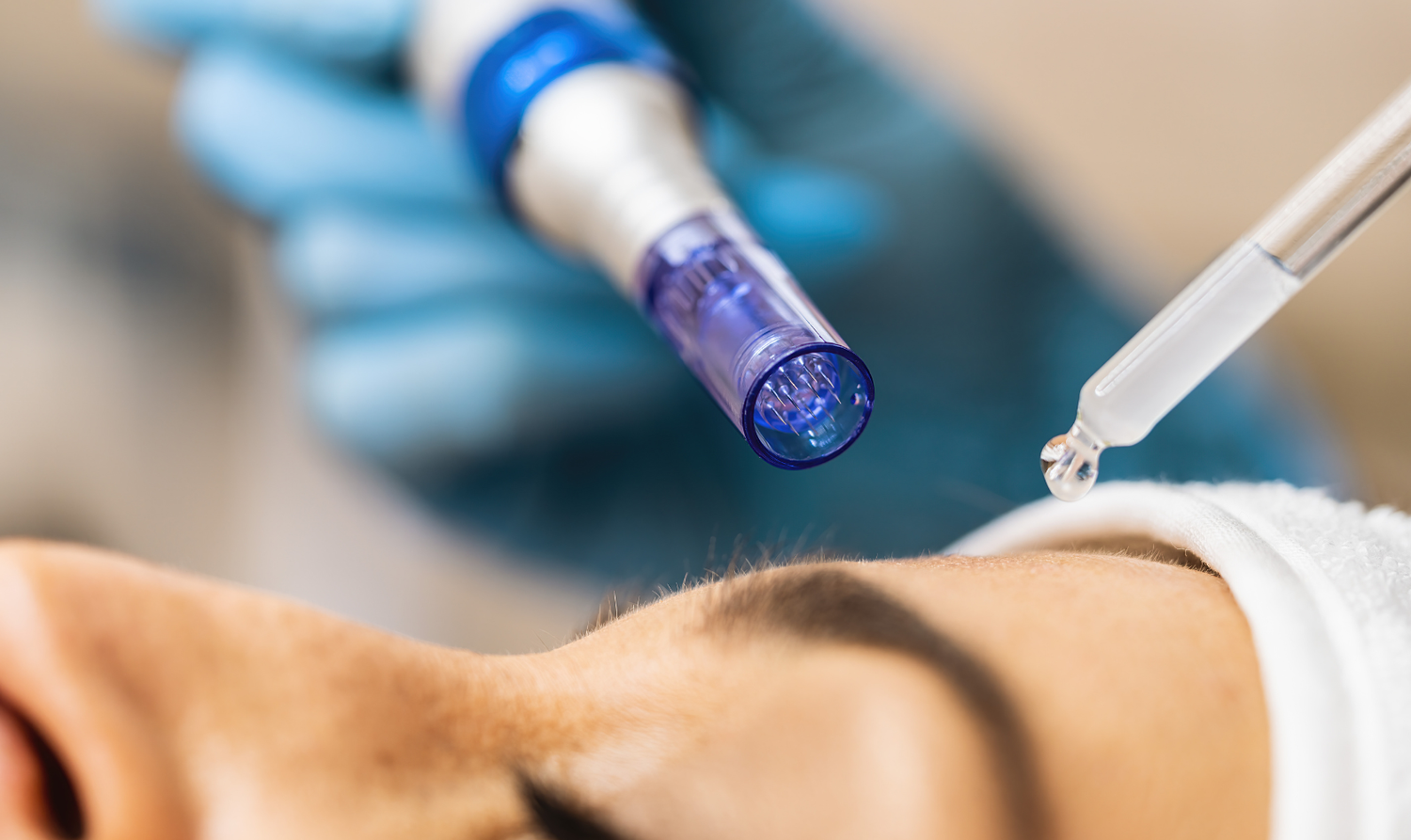
Morpheus8 combines microneedling with radiofrequency energy. Discuss the specific device, proposed use, regulatory status and risks with your clinician.
This page provides general information, not individual medical advice. Your clinician will discuss the proposed treatment, relevant risks and alternatives in the context of your health history.
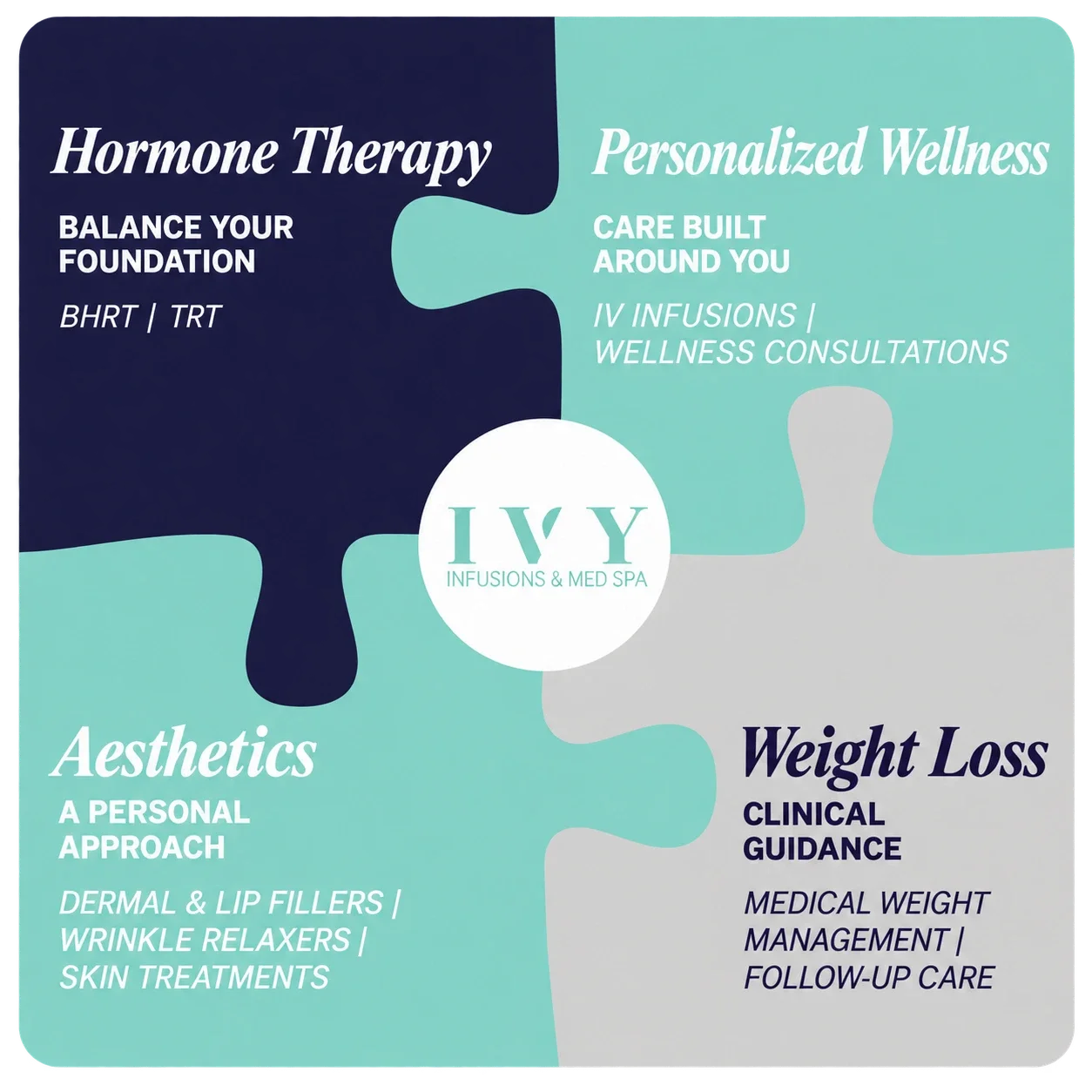
IVY supports your inner & outer wellness
Build your care from the inside out. At IVY, hormone health, metabolic care, infusions and aesthetics are considered together, with your goals at the center.
Your plan can be layered over time. Each treatment has a purpose of its own, and your clinician considers how the pieces fit—what to begin with, what to add and what may not be right for you.
Protocolized care gives that personal plan its structure: assessment, thoughtful treatment planning and follow-up. Start with what matters to you, and build from there.
Meet Sasha Beatty and the IVY team at our Greenwich practice.
Start a conversation